
Artificial leather substrate
The base layer that PU and PVC coatings go on.

Where it goes
The base layer that PU and PVC coatings go on.

Needle-punched felt for dust and air filtration.
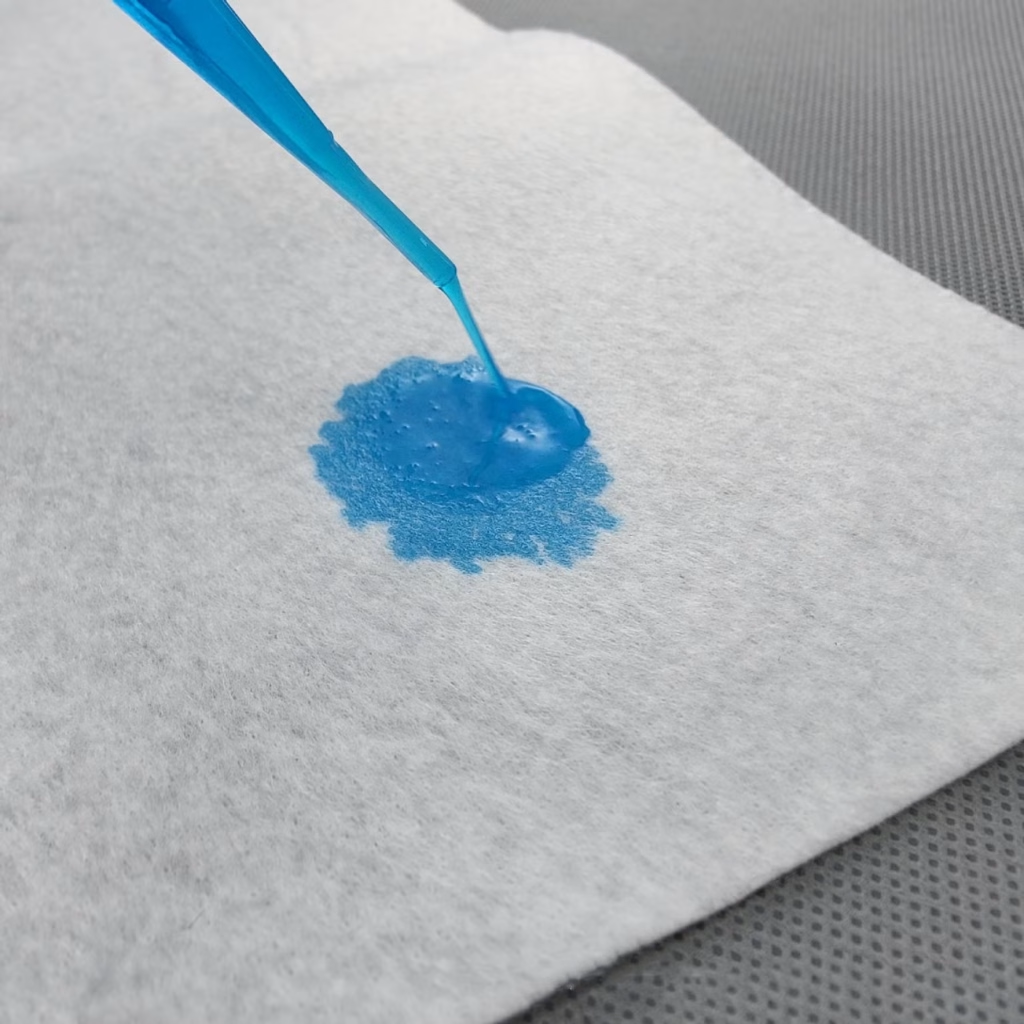
Takes up and holds liquid, for mats, pads and baby products.

Floor mats, sound proofing, engine underlay, roof and trunk liners.

Soft non-woven backing under PVC-coated artificial leather.
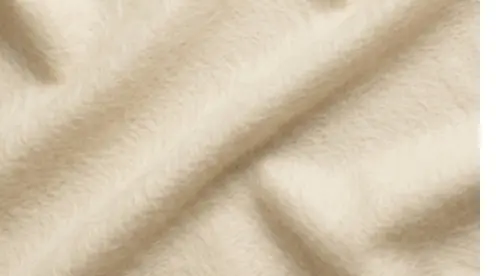
Linings, tents and air/sand filters.
The process

01 / 06
Fibre bales are opened up and mixed evenly.
02 / 06
The fibres are combed into a thin, even web.
03 / 06
The web is layered back and forth to build up weight and width.
04 / 06
Barbed needles punch through the layers and lock the fibres together.
05 / 06
Heat setting or calendering for the right thickness and surface.
06 / 06
The fabric is wound and cut to the width you ordered.
Need it laminated too? We bond our non-woven to a waterproof backing or face fabric in the same factory. See lamination
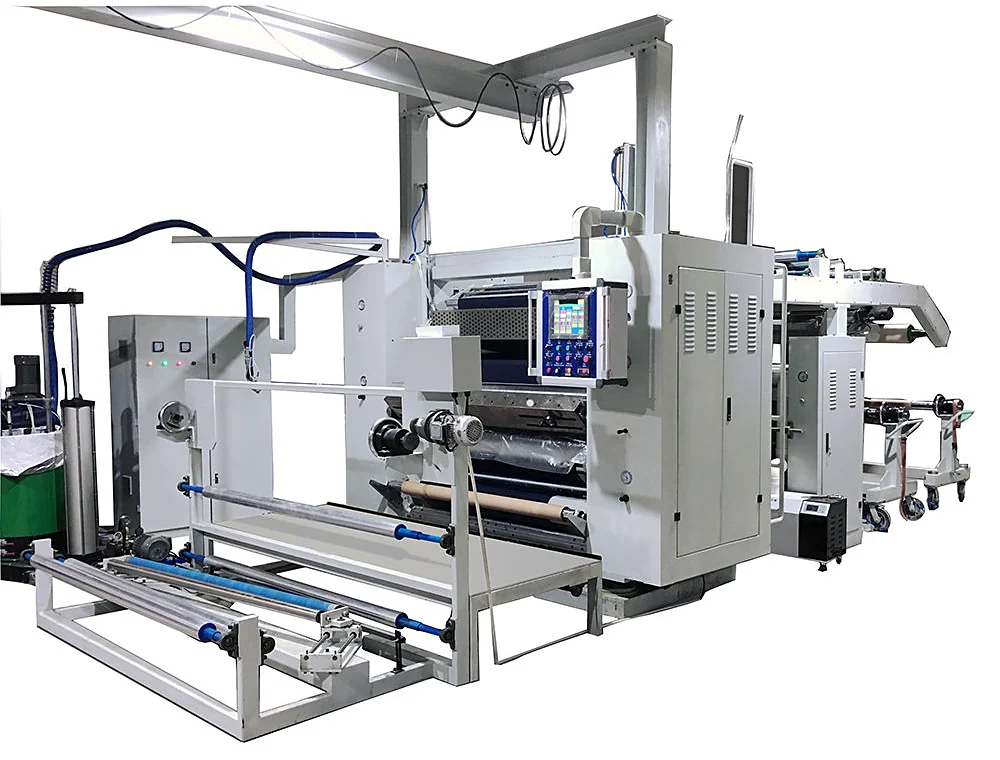
Lamination setup
01 / 05
The base non-woven and the face fabric, membrane or film sit on separate unwind stands and are fed in under steady tension.
02 / 05
Solvent-free PUR hot-melt is melted in a heated tank and rolled onto the base as a pattern of fine dots.
03 / 05
The second layer joins the coated one and both pass between heated press rollers that bond them into one fabric.
04 / 05
Cooling rollers bring the laminate down in temperature so the bond sets and the fabric holds its shape.
05 / 05
The finished fabric is wound onto a roll and left to finish curing before it is slit, checked and packed.
Tell us the weight, width and end use.
Get in touch